Spider Wood vs Manzanita: Which Driftwood Fits Your Scape
Updated November 2026
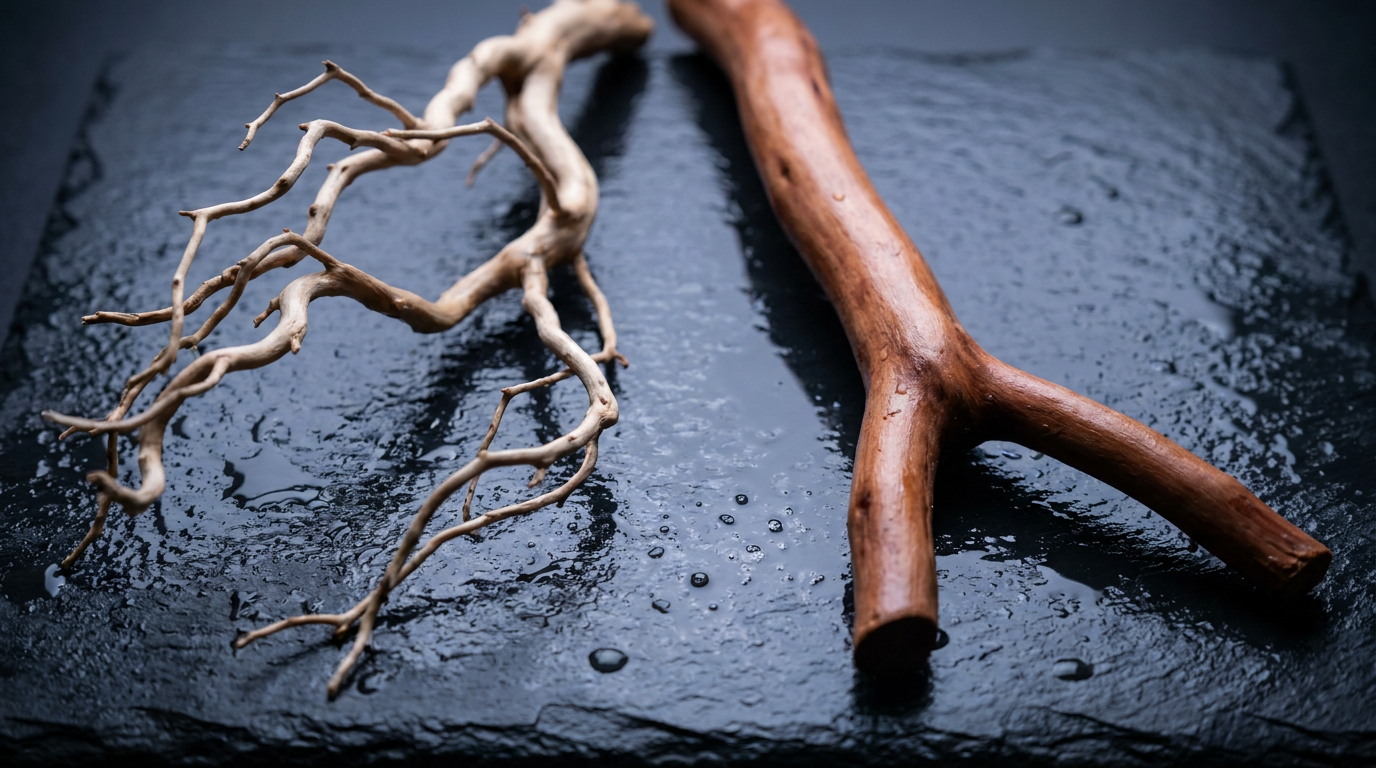
Spider wood is thin, branching azalea root, sold in the listings below as packs of small pieces. Manzanita is a thicker forking branch sold one piece at a time. Aquarium Science lists manzanita among woods that carry tannic acid, and the spider wood listings say it barely tints the water. Plan to weigh either one down.
- Spider wood, per listingsPacks of 2 to 8 pieces, 3 to 13 in
- Manzanita, per listingsOne piece, 12 to 20 in
- If it floatsWeigh it down and wait
- TanninsCarbon in the filter removes the tint
TanninLab earns a commission on qualifying Amazon purchases made through these links, at no extra cost to you.


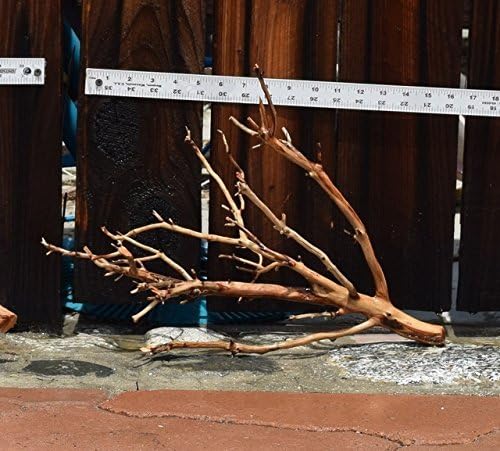

Spider wood vs manzanita, side by side
This table sorts what a listing, Fluval or Aquarium Science actually says about each wood. Where nothing is stated the cell says so, and the price row compares pack size, not money.
| Factor | Spider wood | Manzanita | Source |
|---|---|---|---|
| Shape | Complex and branching, each piece unique (listings) | Gnarled and twisted, or branching with several limbs (listing) | Amazon listings for the cards above |
| Sold as | Packs of 2 to 8 pieces, 3.15 to 13 in | One random piece, 12 to 16 in or 16 to 20 in | Amazon listings |
| Tannin release | Will not discolor the water (one listing), may slightly discolor it (another) | Aquarium Science lists manzanita among tannic woods. No listing states a release for these pieces | Amazon listings; Aquarium Science wood article |
| Sink time | One listing: soak 15 minutes or boil. Fluval, for natural driftwood: soak about a week, some pieces need weights | Seller: floats a few days, then sinks. Aquarium Science: if it floats, weight it and wait | Amazon listings; Fluval driftwood FAQ; Aquarium Science |
| Boiling | Clears only the top layer of tannin and does not make wood sink | Same, and boiled wood can soften | Aquarium Science wood article |
| White film on new wood | Biofilm, no cause for alarm (Fluval). Typically four or five weeks (Aquarium Science) | The same for any new wood | Fluval FAQ; Aquarium Science |
| Price | No source compares them. The packs hold 3 to 8 pieces | One piece per order. Compare the current price on each button | Amazon listings |
Sources read on 1 November 2026: the four Amazon listings behind the cards, the Fluval driftwood FAQ and the Aquarium Science wood article. Seller statements are not measurements, and wood varies from piece to piece.
Which one should you buy
Match your tank and goal to the row. The last column says what the choice rests on.
| If you want | Choose | Because |
|---|---|---|
| A nano tank or a small scape | Spider wood | The listings sell it in packs of 3 to 13 in pieces |
| One large focal piece | Manzanita | The listings sell single pieces of 12 to 20 in |
| You want the clearest water | Spider wood | Its listings say little or no discoloration. Aquarium Science still says to keep carbon ready |
| You want a tinted blackwater look | Either | Aquarium Science lists manzanita among tannic woods. See our blackwater driftwood guide |
| You want it to sink fast | Neither is certain | Both float at first. Weigh it down and wait |
| You plan to attach moss | Either | One spider wood listing says to tie plants on with nylon thread |
Wood preparation planner
Pick the wood, its size and what you want from the water. The planner returns a soak routine, a boil decision, a sinking plan and what to expect from the tint.
How each one shapes a layout
Spider wood splits into many fine tips, which suits a thicket of roots or a canopy in a small tank. That is our read of the shape in the listings, not a measured result.
Manzanita forks fewer times and gives you longer single branches, 12 to 20 in in the listings above. One piece can anchor a scape, with a smaller piece as its echo.
Sinking and soaking
Fluval suggests soaking natural driftwood in a clean bucket for about a week, changing the water once or twice a day. It adds that some pieces still need weights for the first couple of weeks in the tank.
Aquarium Science says boiling does not make wood sink and can leave it soft. Its answer for a piece that floats is to weigh it down with rocks or ornaments and wait.
The sellers promise quicker results, 15 minutes for one spider wood listing and a few days for the manzanita. Treat those as seller claims and plan for longer.
Tannins and water color
Aquarium Science says tannic acid colors the water and lowers pH only slightly, in the order of 7.4 to 7.3, and that wood which releases tannin keeps doing it for years. Boiling clears only the top layer.
Its fix is activated carbon in the filter, replaced when it stops working. Driftwood tannins covers how much staining to expect and when to stop fighting it.
The white film phase
Fluval calls the white film on new wood biofilm, no cause for alarm. Many fish and shrimp eat it, and it goes away on its own.
Aquarium Science says this water mold typically lasts four or five weeks. If it lasts longer, the wood smells bad or it starts to disintegrate, the piece is too soft to keep.
Attaching plants
One spider wood listing says to tie plants on with nylon thread. For any wood, how to attach moss to driftwood walks through thread and glue.
Picking by tank size
The spider wood listings run from 3 to 13 in a piece, so they fit a nano tank. The manzanita listings start at 12 in, so check the length against your tank before you order.
For a tinted blackwater build, either works. Compare more woods in best driftwood for blackwater tanks, which also covers mopani, Malaysian driftwood and mangrove root.
How we sourced these figures
Wood facts come from the Fluval driftwood FAQ and the Aquarium Science wood article. Sizes, packs and seller claims come from the four Amazon listings, read on 1 November 2026.
The planner turns those statements into a routine and adds no measurements of its own. We did not test any wood in a tank, and no clean video was found for this comparison.
Frequently asked questions
Does spider wood or manzanita release more tannins?
No source we read compares the two. Aquarium Science lists manzanita among woods with tannic acid, while the spider wood listings say it will not discolor the water or only slightly. Aquarium Science also says tannic acid lowers pH only slightly, such as 7.4 to 7.3, and that carbon removes the color.
How do you make spider wood sink faster?
Aquarium Science says boiling does not make wood sink: weight it with rocks and wait. Fluval suggests soaking in a clean bucket for about a week, and says some pieces need weights for the first couple of weeks. One spider wood listing says 15 minutes of soaking or boiling is enough, which is a seller claim.
Is manzanita safe for shrimp and betta tanks?
Aquarium Science says dead wood that does not smell of sap or chemicals is fine in an aquarium, and that no weathered wood is poisonous to fish. Smell new pieces first, because it warns that some trade wood has been oiled. The manzanita listings call the wood aquarium safe, which is a seller statement.
How long does the white film on new wood last?
Fluval calls it biofilm, no cause for alarm, and says many fish and shrimp eat it and it goes away on its own. Aquarium Science calls it water mold that typically lasts four or five weeks, and says wood that smells bad or starts to disintegrate should come out.
Which wood is better for a blackwater tank?
Either can be used. The tint comes from tannin, which Aquarium Science says tannic woods keep releasing for years. Our guide to the best driftwood for blackwater tanks compares Malaysian, mopani, mangrove and other woods and has its own preparation planner.