Best Hardscape Suppliers
Updated August 2026
Hardscape is the skeleton of any aquascape. Get it right and the rest of the layout flows naturally; get it wrong and no amount of plants or shrimp will save the scape. The problem most people run into is not knowing which sources actually stock quality material versus whatever washed ashore last month.
This guide covers every sourcing channel worth using in 2026, what each one is good for, how to buy stone and wood online without getting burned, and the honest cost ranges you should budget for before you start stacking rocks.
Stone and Wood: What You Are Actually Buying
Before sourcing anything, you need to know what types you are shopping for. The species of stone and the type of wood determine which suppliers even carry it.
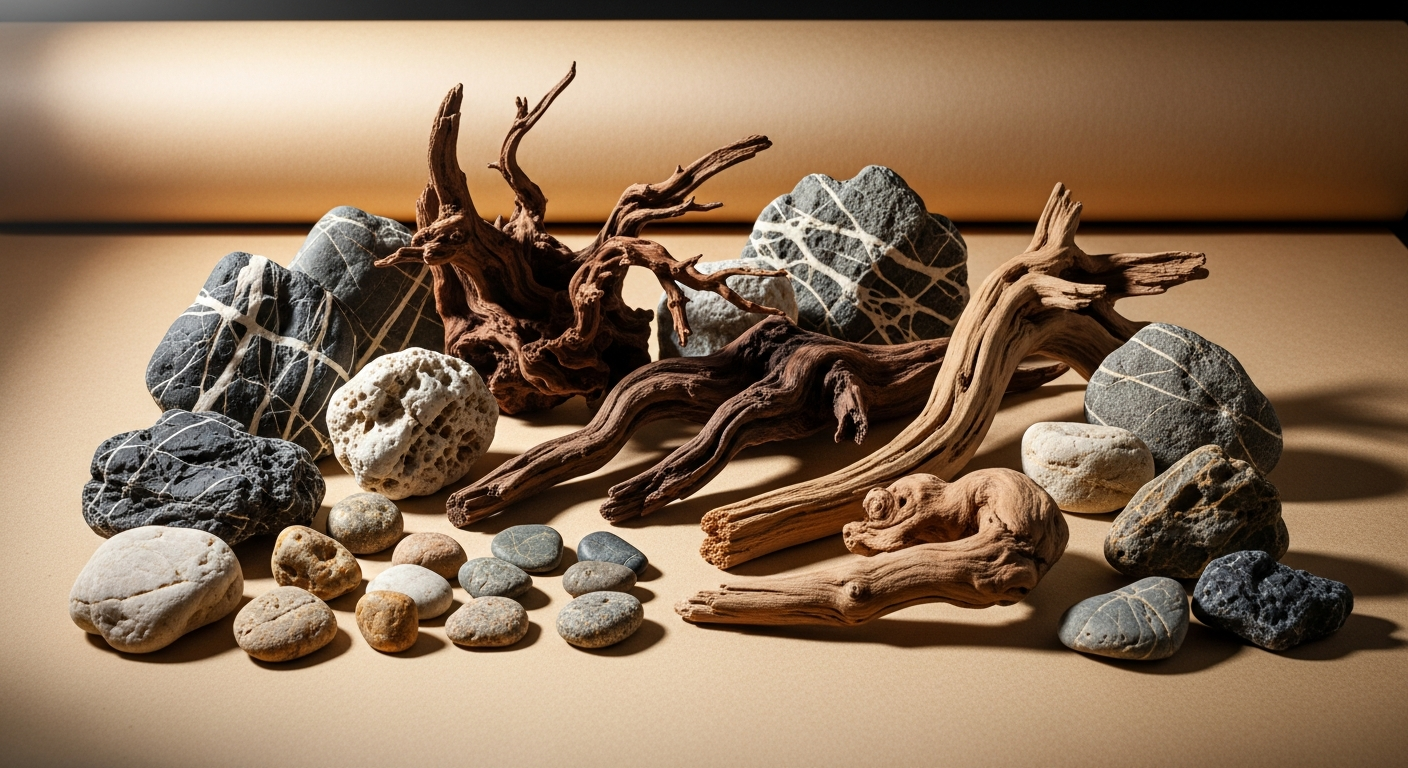
On the stone side, the most used types in aquascaping are Seiryu stone (blue-grey limestone with white veining), dragon stone (also called Ohko stone, a lightweight, porous red-brown rock), lava rock (porous, excellent for plant and shrimp colonies), and pagoda stone (layered, sedimentary look). Each varies in pH impact, density, and visual texture. Before you buy any stone, read the full breakdown of hardscape-safe rocks for aquariums so you know which types are inert and which will spike your carbonate hardness.
On the wood side, spider wood, manzanita, cholla, and Malaysian driftwood are the workhorses. Blackwater scapes in particular live or die by their driftwood choice. The complete buying breakdown for that category is in the best driftwood for blackwater aquariums guide. For now, the sourcing logic applies equally to both material types.
Tannin Lab earns a commission on qualifying purchases through the Amazon links on this page, at no extra cost to you. Picks are chosen on performance and suitability, not on commission.
The Four Channels and What Each Is Good For
There is no single best source. The right channel depends on whether you are building one scape, running multiple tanks, working with a tight budget, or hunting for a specific statement piece.
| Source Type | Pros | Cons | Best For |
|---|---|---|---|
| Local Fish Store (LFS) | See and handle before buying; no shipping weight cost; instant gratification; staff can advise on pH impact | Limited variety; often only 2-4 rock types; markup on specialty pieces; stock inconsistent | First scape, small tanks, topping off an existing layout, testing whether you like a material |
| Specialist Online Retailer | Widest variety; curated, aquarium-safe inventory; accurate species identification; box/photo selection options; knowledgeable support | Shipping cost adds up fast on heavy stone; cannot physically inspect individual pieces; lead times vary | Specific stone or wood types; large scapes needing consistent texture; hardscape you cannot find locally |
| General Marketplace (eBay, Etsy, Facebook Groups) | Lower unit prices; hobbyist sellers often cure wood properly; rare finds from private collectors | No standardization; species mis-identification common; return policies inconsistent; quality varies widely by seller | Budget builds; second pieces after you know what you want; hobbyist community buys |
| Landscaping Supplier / Nature-Collected | Cheapest stone by far; large pieces available; unique shapes not found in aquarium trade | Composition unknown without testing; contamination risk (pesticides, road salt, treated runoff); legal restrictions vary by location | Experienced scapers only; must be tested for carbonates and sterilized before use |
How to Buy Hardscape Online Without Getting Burned
Buying rocks and wood online without seeing them first is where most people make expensive mistakes. The good news is that a few systematic checks make it nearly foolproof.
Calculate Weight Before You Checkout
Seiryu stone and most sedimentary rocks run dense. A display-worthy 90cm scape typically needs 5-12 kg of stone depending on the layout style. At standard carrier rates, that weight adds $15-40 to your order total before you account for any fragile packaging surcharge. Factor shipping into your per-kilo price when comparing sources.
Dragon stone and lava rock are significantly lighter for their volume, which shifts the economics. If shipping cost is a constraint, these are your practical options for larger scapes.
Request Photo Selection on Statement Pieces
Any specialist retailer worth using offers a photo selection or “box selection” service. You either get to see photos of the exact pieces before they ship, or they handpick from a curated box to match a size or texture brief you send them. Use this every time you are buying a focal piece over 1 kg.
Generic “by weight” orders are fine for accent stones you will scatter in the midground. For your primary composition stone, insist on some form of visual confirmation. The variation within a single species can be enormous.
Check the Returns Window Before Buying
Stone is heavy and not always worth returning. Most specialist retailers offer a quality guarantee on mis-described species but not on “I changed my mind about the shape.” Understand the policy before you order, especially for pieces over 2 kg.
For wood, the return calculus is different. Driftwood that arrives uncured, still bleeding heavy tannins after two weeks of soaking, should be returnable or at least replaced. Ask the seller directly how they cure their wood and how long before it stops tinting water significantly. A seller who cannot answer that question is not a specialist.
Buying Hardscape You Cannot See First
Three things determine whether a blind online purchase works out: the seller’s photo policy, how they describe weight rather than just dimensions, and whether they publish their return or quality-guarantee terms upfront.
Before any order over $40, ask for photos of the specific batch, confirm the total weight you will receive, and verify what happens if the stone composition is different from what is listed. Sellers who resist any of those three questions are telling you something useful about how they operate.
For wood specifically, ask how long it has been cured and whether it passed a float test. Wood that still floats when it arrives is weeks away from being usable. A seller who cures properly is proud to say so.
Collecting Stone and Wood From Nature
Collecting your own hardscape is genuinely appealing once you understand how to do it safely. It is also the cheapest route by a large margin. A day trip to a rocky riverbank or a pine forest can yield pieces that no retailer stocks.
Legality Varies and Matters
In the United States, collecting rocks and wood from federal land including national parks and many Bureau of Land Management areas is prohibited or subject to strict quantity limits. State parks have their own rules. Private land requires explicit permission from the landowner. Urban rivers and lakeshores often fall under local ordinances.
The practical approach: collect from private land with permission, from your own property, or from legal collecting areas. Rock and mineral collecting is explicitly permitted in many BLM areas for personal, non-commercial use, typically capped at modest amounts. Check the specific rules for your location before you go.
Sterilizing Before Any Stone or Wood Goes in Your Tank
Every piece collected from nature carries surface contamination risk: bacteria, parasites, pesticide runoff, road salt, and compounds from industrial or agricultural use near waterways. None of that belongs in a shrimp tank.
For stone, a rinse is not enough. Scrub with a clean brush, then soak in a dilute bleach solution (1 part bleach to 19 parts water) for 24 hours, followed by a long fresh-water rinse and air-dry. Test carbonate hardness by leaving the stone in a separate container of RO water for 48-72 hours and checking KH before and after. Any rise means the stone is actively leaching carbonates and will affect your tank chemistry.
For wood, the core risk is introducing pathogens, fungus, or unwanted insects. Boiling is the standard for smaller pieces. For anything too large to boil, a prolonged soak in hot water changed daily for two to three weeks, combined with a thorough scrub and drying cycle, is the minimum. Do not skip the pre-tank float test, either. If it floats after all that prep, it needs more time.
If you are new to the hobby, collected stone and wood is a Phase 2 activity. Get comfortable with your tank parameters first. The beginner setup framework in the aquascaping for beginners guide walks through that progression.
What to Budget: Honest Cost Ranges
Prices shift with market conditions and seller, so treat these as general reference ranges rather than fixed quotes.
Aquarium-grade Seiryu stone from specialist online retailers typically runs in the range of $4-9 per pound before shipping. Dragon stone and Ohko stone are similar. Lava rock is usually cheaper per pound because it is lighter and the supply is broader.
Driftwood pricing depends almost entirely on size and species. A small piece of spider wood under 6 inches suitable for a nano tank can be $5-15. Display-worthy branching pieces for 90cm scapes range from $25-70 from reputable sellers. Manzanita tends to run slightly higher because the branching structure is more controlled and the curing process is labor-intensive.
From a landscaping supplier, bulk stone is sometimes available for pennies per pound, but you absorb all the testing and sterilization cost in time and materials. For most aquascapers, the economics only work if you need large quantities and have tested the stone type before.
Marketplace prices land between LFS and specialist retailers on average, with high variance by seller. The floor is lower, but so is the quality floor.
Frequently Asked Questions
How do I know if a rock is safe for my aquarium?
Test it before it goes in. Pour white vinegar on the stone surface. If it fizzes, the rock contains carbonates and will raise your KH and pH over time. That is fine for hard-water tanks and problematic for shrimp species that need soft, acidic water. The more reliable method is a 48-hour soak test in RO water with KH readings before and after. A full breakdown of safe versus unsafe rock types lives in the hardscape-safe rocks guide.
Can you really buy aquascaping stone online without seeing it?
Yes, routinely. The key is using sellers who offer photo selection for larger pieces and who describe stock by weight, not just dimensions. Accent stones and texture fill pieces are fine ordered by weight from a trusted seller. Focal stones and primary composition pieces deserve a photo or box-selection step. Most specialist aquascaping retailers have this process dialed in because their customers demand it.
Why does my new driftwood keep turning the water brown?
Driftwood releases tannins, which are naturally occurring compounds from wood tissue. They are not harmful and are actually beneficial for shrimp and certain fish species by mimicking blackwater conditions. The discoloration fades over weeks to months depending on wood density and how thoroughly it was cured before sale. Pre-soaking in a bucket with daily water changes accelerates the process. If you want the tannin benefit without the visual, activated carbon in your filter will clear the water while still allowing the pH-softening effect. The full guide to choosing and preparing wood for tannin-forward scapes is in the blackwater driftwood guide.
Marcus Chen
Aquarist & Founder, TanninLab
Marcus has been keeping planted tanks for 14 years. He tests every product recommendation in his own tanks and publishes the raw data.
Last updated: August 2026