Best Digital Water Test Kits for Freshwater Tanks
Updated October 2026
For most freshwater tanks the best aquarium test kit is still a liquid reagent kit for the nitrogen compounds, paired with one digital meter for pH or TDS. Buying a single handheld device that claims to read everything is the most common way to waste money in this category.
Digital tools win on some parameters and lose badly on others. Knowing which is which saves you a couple of hundred in gear you will stop using.
Tannin Lab earns a commission on qualifying purchases through the Amazon links on this page, at no extra cost to you. Picks are chosen on performance and suitability, not on commission.
What digital meters actually do well
pH, TDS, conductivity, and temperature are where a probe beats a colour chart outright. You get a number instead of an interpretation, and readings stay comparable week to week.
Manufacturer figures for a mid-range pH pen sit around plus or minus 0.1 pH. That is tight enough to catch a slow drift before your fish react to it.
Ammonia, nitrite, and nitrate are a different problem. Reading those digitally needs colorimeter hardware plus dedicated reagents, so you are paying per test rather than once for the device.
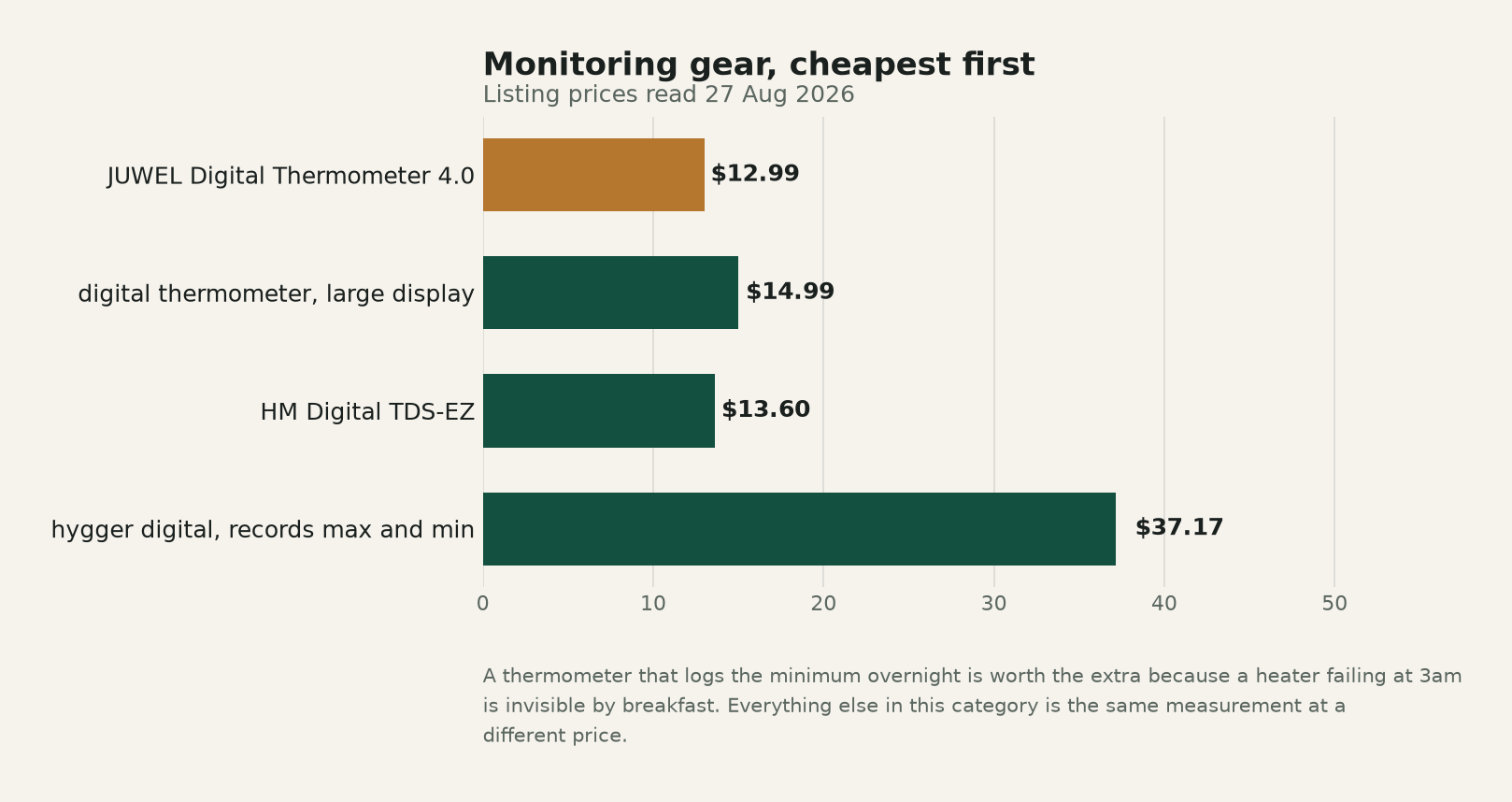
The three formats worth considering
pH and TDS pens
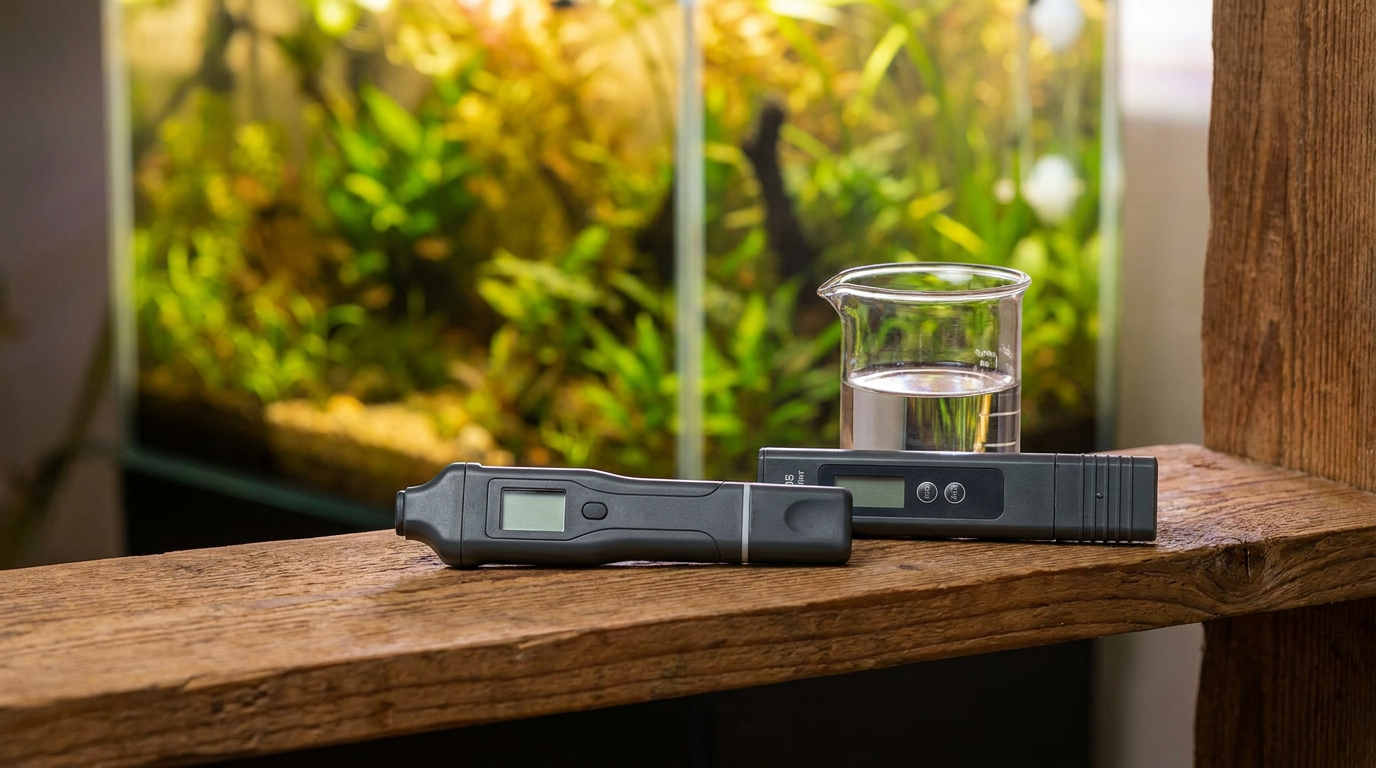
Cheap, pocket sized, and accurate enough if you calibrate them. Apera and Milwaukee are the names that come up most among freshwater keepers. Budget for calibration solution at the same time, because a pen left uncalibrated for six months is less useful than a paper strip.
Handheld colorimeters
Hanna Instruments checkers read one parameter each using their own reagents, and they are the most precise option the hobby has for alkalinity, phosphate, and nitrate. The cost is per parameter, so pick the one metric you actually chase.
Continuous monitors
Probe-based controllers log pH and temperature around the clock and can trigger equipment. Worth it on an injected tank where the pH swing is the control signal for your CO2. Overkill on a low-tech tank.
Prices move, and stock does too. Each of these opens the product page on Amazon in a new tab.

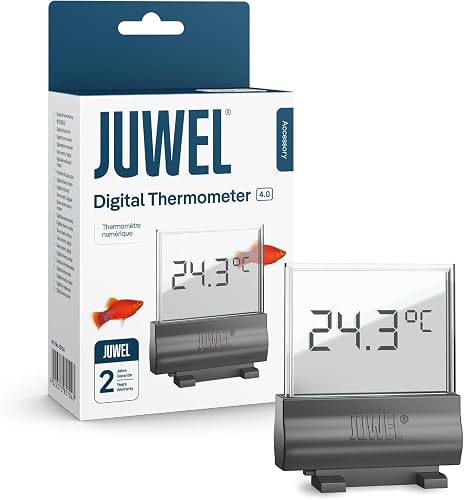
What to buy by tank type
Low-tech planted or betta tank: a liquid kit plus a TDS pen. During startup the ammonia and nitrite readings matter more than anything else, and how to cycle a betta tank covers what to watch and when.
Injected planted tank: a pH monitor is close to mandatory, plus reliable KH testing to interpret it. Read GH and KH explained before you set a target number.
Blackwater or shrimp tank: TDS and pH pens, checked often. Leaf litter moves water chemistry gradually, and do botanicals lower pH explains how far that shift actually goes.

Calibration is the whole game
An uncalibrated meter hands you a confident wrong number, which is worse than having no reading at all.
Calibrate a pH pen monthly with fresh 4.0 and 7.0 buffer, store the probe wet in storage solution rather than dry, and replace the probe when it gets slow to settle. Street prices on replacement probes are low enough that nursing a dying one makes no sense.