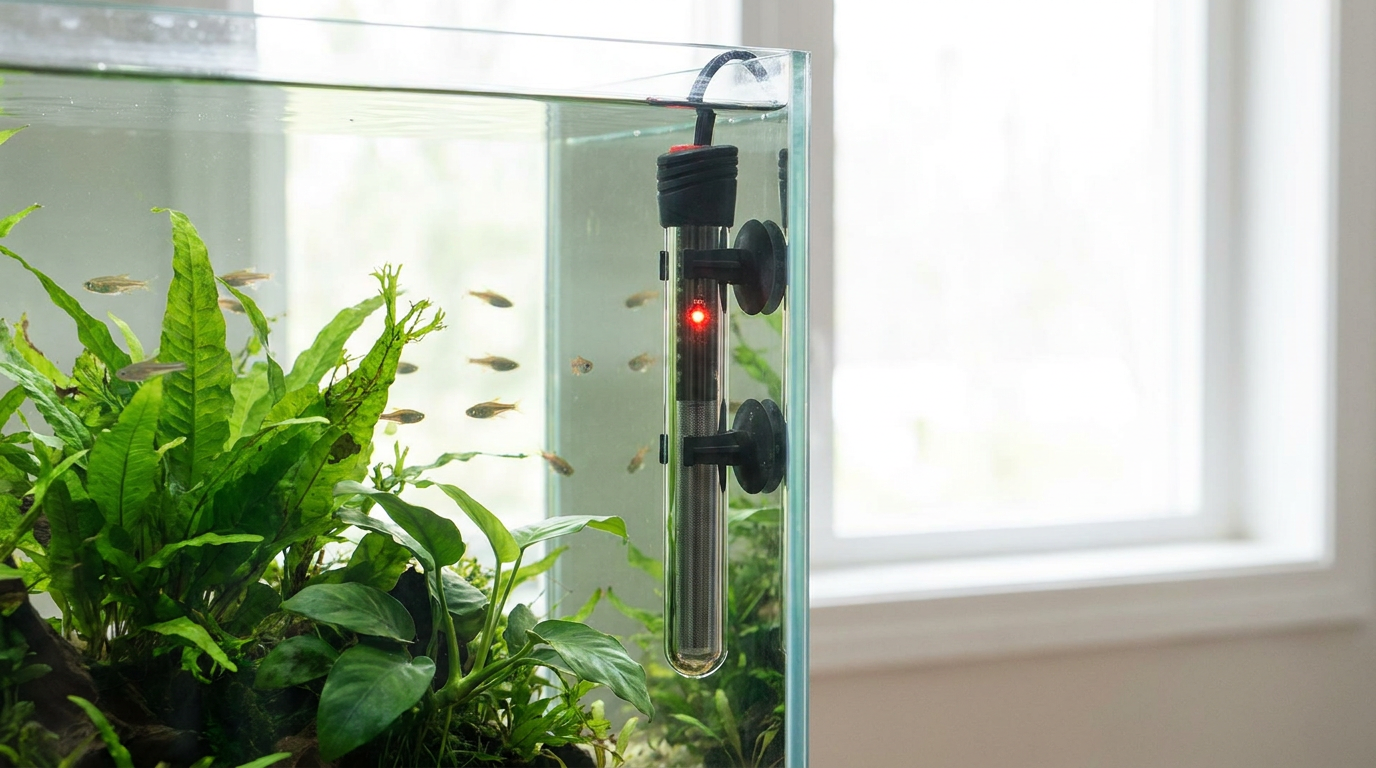
Hygger Aquarium Heater: Accuracy and Failure Modes
Updated October 2026
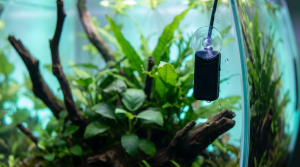
A Hygger aquarium heater usually holds temperature within about a degree of its dial setting, which is acceptable for bettas and shrimp. The number that matters more is not accuracy, though. It is how the heater fails, because cheap heaters almost always fail stuck-on, and a stuck-on heater in a small tank cooks everything overnight.
Accuracy in normal conditions
Hygger sells several lines: titanium submersibles with external controllers, and the cheaper glass tube heaters with a built-in dial. Reports across fishkeeping forums put both within roughly a degree of target in normal room temperatures. Dial markings are decorative, so you set by thermometer, then ignore the printed number forever. That calibration habit is the single biggest accuracy upgrade available, and it is the same one used in the best aquarium thermometers for accuracy.
One caveat: any heater drifts when room temperature swings hard, because a 50-watt element simply cannot fight a cold draft next to the tank. The heater is not broken; the room is working against it.
TanninLab earns a commission on qualifying Amazon purchases made through these links, at no extra cost to you.


The failure modes nobody advertises
Stuck-on is the killer. The contact welds shut, the element runs continuously, and in a 5-gallon tank the water climbs past 32°C within hours. Bettas tolerate roughly 25 to 27°C per manufacturer care guidance, and anything past the low 30s is lethal fast. The second failure is mundane: suction cups let go, the heater tilts, and a partially exposed glass tube cracks on contact with cold air or splash.
Shrimp keepers have a third concern, since a spike that a betta survives can trigger failed molts. The temperature ranges that matter are listed by species in do shrimp need a heater.
Running one without gambling
Never trust the built-in readout alone. A separate thermometer on the far side of the tank catches both drift and a stuck element early, which is cheap insurance given what livestock costs. Size the wattage to the tank so a failure takes longer to become fatal: 50 watts is already a lot for a 5-gallon box, and the setup basics are covered in the real minimum betta tank setup. Position the heater near filter outflow so heat circulates instead of pooling, and unplug it during water changes before the element is exposed.
Verdict
For the price, a Hygger is a fair buy for betta and shrimp tanks, with a separate thermometer as the condition of purchase. If the tank holds anything expensive, the honest answer from best aquarium heaters is a controller-driven unit where the probe, not the weld, decides when power flows.
Questions readers ask
How accurate is a Hygger heater out of the box?
Forum reports mostly land within about a degree of the dial setting in a normal room, but individual units vary, so calibrate against a separate thermometer and set by that.
What kills fish with these heaters, inaccuracy or failure?
Failure. A degree of drift is survivable for hardy species; a contact welding shut is not, because the tank keeps heating until something dies. A separate thermometer and right-sized wattage are your entire defense.
Can I use one in a shrimp tank?
Yes, many keepers do. Keep changes gradual and watch for failed molts after any temperature swing, since shrimp are more sensitive to spikes than fish.