Fin Rot in Bettas: How to Tell It Apart From Biting, and What Actually Cures It
Updated October 2026
Fin Rot in Bettas: How to Tell It Apart From Biting, and What Actually Cures It
You look into the tank one morning and your betta’s magnificent caudal fin looks chewed. Edges are ragged, maybe darker, maybe shorter than last week. The internet says fin rot, then immediately contradicts itself. Here is the practical version: fin rot is common, it is rarely fatal on its own, and half the “fin rot” photos on forums are actually self-inflicted biting or simple tearing on decor. Telling these apart matters, because the treatments are different.
What fin rot actually is
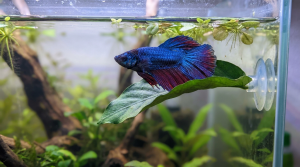
Fin rot is a bacterial infection, usually secondary, that eats away the fin membrane from the edges inward. The classic signs: the fin edge looks melted or uneven, often with a dark, reddish, or black border where tissue is dying. Progression is gradual, over days. In advanced cases the erosion reaches the body and you see red streaks or bloody patches at the fin base, which is when it stops being a cosmetic problem and becomes a medical one.
The bacteria involved, commonly Pseudomonas or Aeromonas species, are present in nearly every aquarium. They only become a problem when the fish is stressed or the water is poor. That is why the first question to answer is not “which antibiotic” but “what weakened this fish.”
Fin rot, biting, or tearing
Betta biting looks different. A biting fish has chunks missing with clean, straight edges, usually a horizontal line across the caudal as if cut with scissors, and the bite marks heal with a pale regrowth line. Heavy-finned males bite their own tails when the fin becomes too heavy to drag around. Tearing produces splits: long, thin, parallel cuts running from the fin edge inward, caused by plastic plants, sharp ceramic decor, or filter intakes. Run a nylon stocking over every decoration in the tank. If it snags, it will snag a betta fin too.
Fin rot, by contrast, erodes. There is no clean edge, just decay, often discoloration, sometimes white fuzzy edges if a fungal infection has joined in. If you are unsure, take a photo every day at the same angle for three days. Erosion that advances daily points to rot; identical damage that does not spread points to a one-time tear.
Step one is water, not medicine
In mild cases, meaning discoloration at the edges and no body involvement, clean water alone resolves most fin rot. Ammonia and nitrite at any detectable level chronically stress the fish and keep the infection fed. Test and get both to zero. In a tank under 20 liters this usually means a daily 30 to 50 percent water change for a week, with temperature matched and dechlorinated water. Keep the temperature stable between 25 and 27 C; colder water slows the betta’s immune response noticeably.
This is also the point to fix the cause. Overcrowded tank, uneaten food rotting in the substrate, a filter that has never been cleaned, a tank that gets a full water change weekly and thus never completes a cycle. If you set up the aquarium recently and the water tests show ammonia, read through the betta tank setup guide before medicating anything; you may simply not have a cycled filter yet.
When salt and medication earn their place
If the rot is advancing despite daily water changes, or has reached the body, escalate. Aquarium salt at 1 to 2 teaspoons per 4 liters, dissolved beforehand, in a separate hospital tank for 7 to 10 days helps mild bacterial cases and reduces fluid loss through damaged tissue. Do not pour salt into a planted display tank; many plants tolerate it poorly.
For advanced rot with red streaks at the base, a genuine antibiotic is warranted. In most countries the accessible options are combination products containing a broad-spectrum antibacterial for ornamental fish. Follow the full course, complete it even when the fin looks better after three days, and treat in a hospital tank because these products nitrify filters. What you should not do is dose random “fin cure” cocktails prophylactically every time a fin looks slightly rough. Repeated low-dose exposure is how resistant bacteria are bred.
Label doses, course lengths and shrimp warnings for specific products are laid out in our betta fin rot treatment guide.
Regrowth: the slow part nobody warns you about
Once the rot stops, the fin regrows, and it takes weeks. First you see a thin transparent or cloudy margin of new tissue at the damage line. This is normal. The new growth may stay slightly clearer or more fragile than the original fin, especially after severe cases. During regrowth, protein matters: feed a varied diet, not a single flake staple. Frozen bloodworms, daphnia, and a quality pellet cover it.
One thing that genuinely helps regrowth and stress recovery in bettas is tannin-rich water. Indian almond leaves (catappa) release humic substances that have mild antimicrobial properties and visibly calm the fish. It is not a cure for fin rot, but it is one of the cheapest supportive measures with real mechanistic backing. The catappa leaves guide covers dosing and preparation if you have not used botanicals before.
The hospital tank question
Should you isolate the fish? In a single-betta tank, there is nobody to isolate from, so a hospital tank only makes sense if you are medicating (to protect plants and filter bacteria) or if the betta shares the aquarium with tankmates, in which case moving the patient is wise since a weakened fish gets harassed. A bare 15-20 liter container, a small sponge filter, a heater, and a piece of ceramic cave for cover are enough. Daily water changes in a small uncycled hospital tank replace the cycle, and matching temperature within a degree avoids shock on every move.
Prevention, briefly
Stable warm water, zero ammonia and nitrite, decor that passes the stocking test, no tankmates that nip, and a varied diet prevent nearly all fin rot. The disease is essentially a report card on husbandry. A betta in a cycled, heated, adequately sized tank with sane stocking almost never gets it twice.